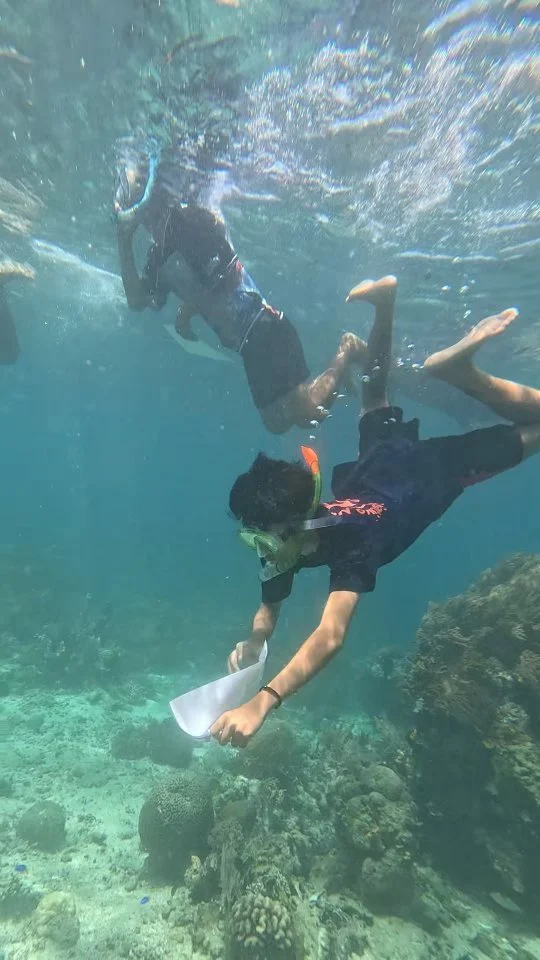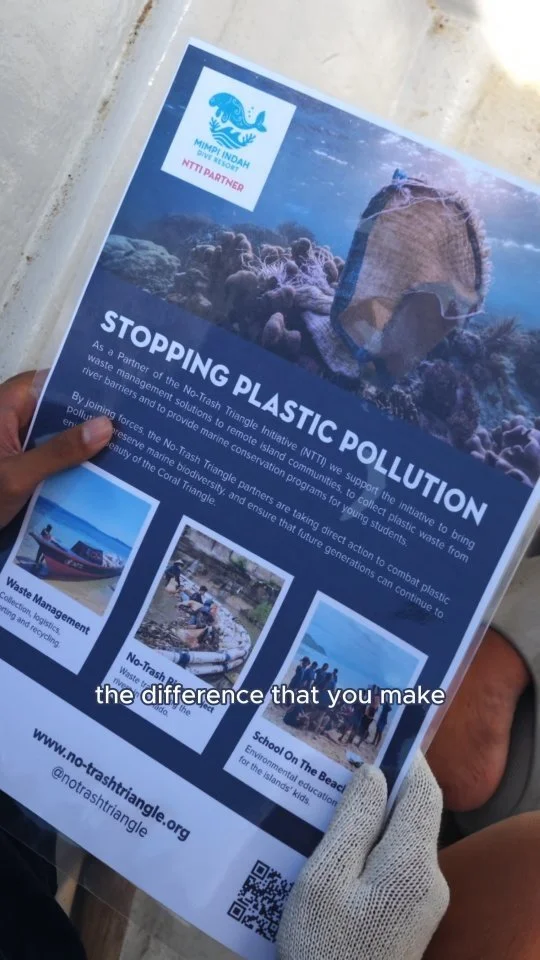
Protecting the Coral Triangle requires urgent, practical action to stop plastic pollution at its source and prevent it from reaching the ocean.
What we do
Waste management
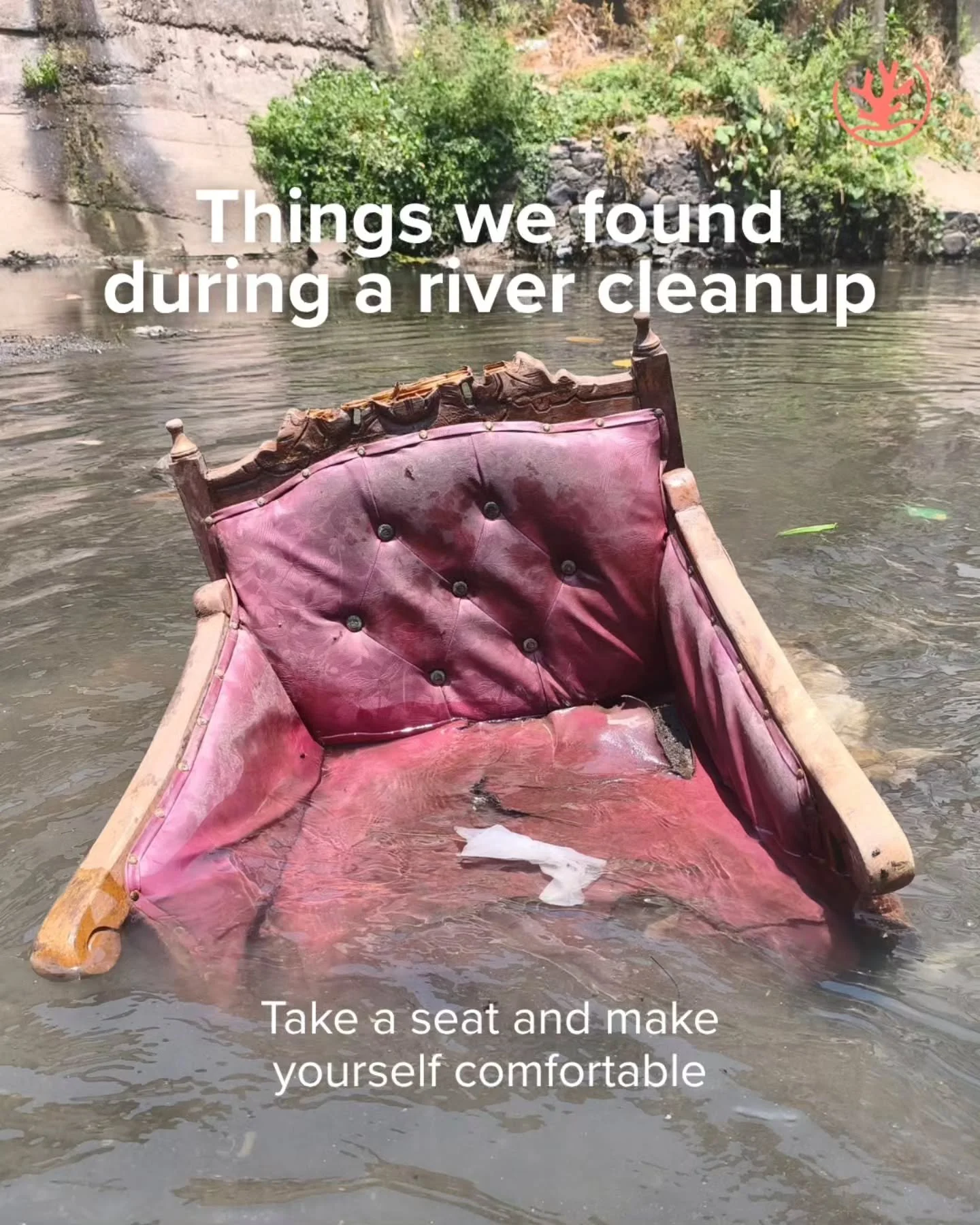
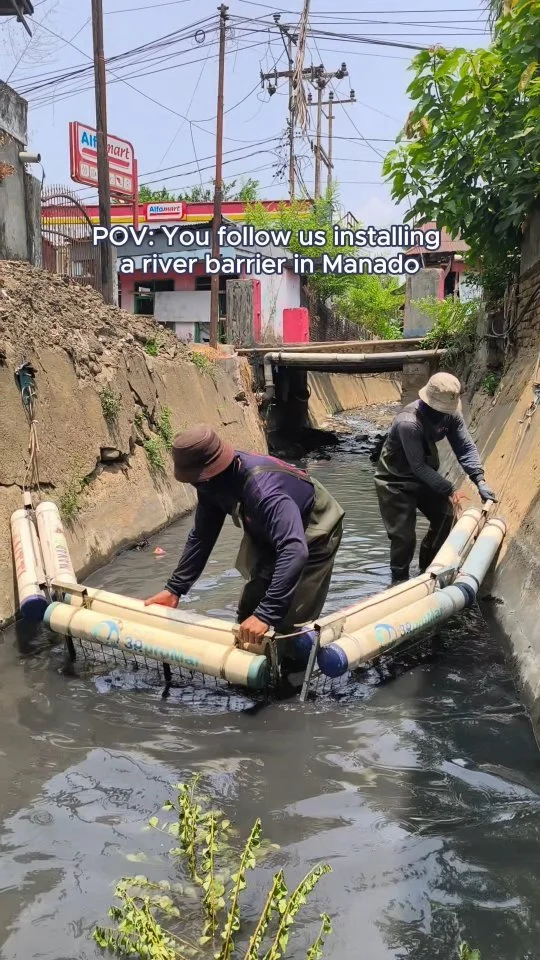
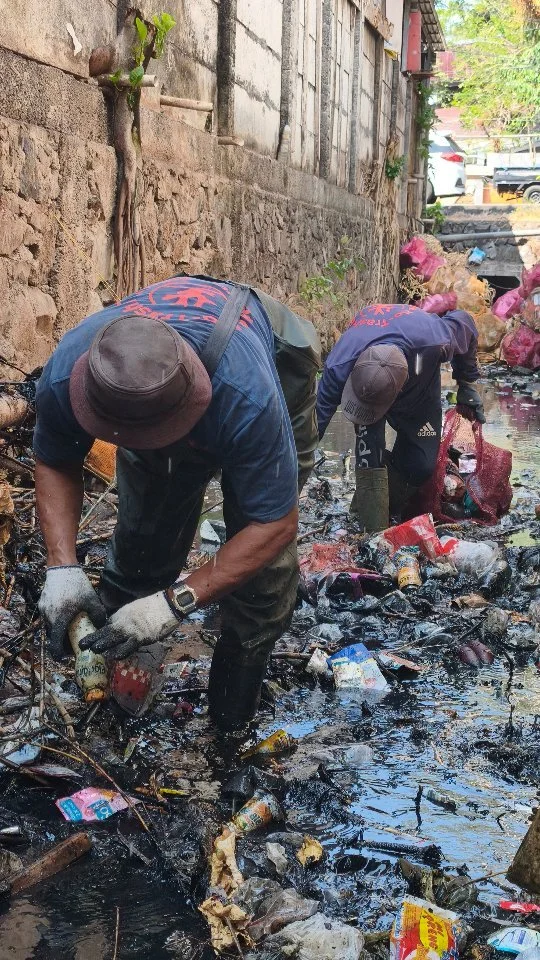
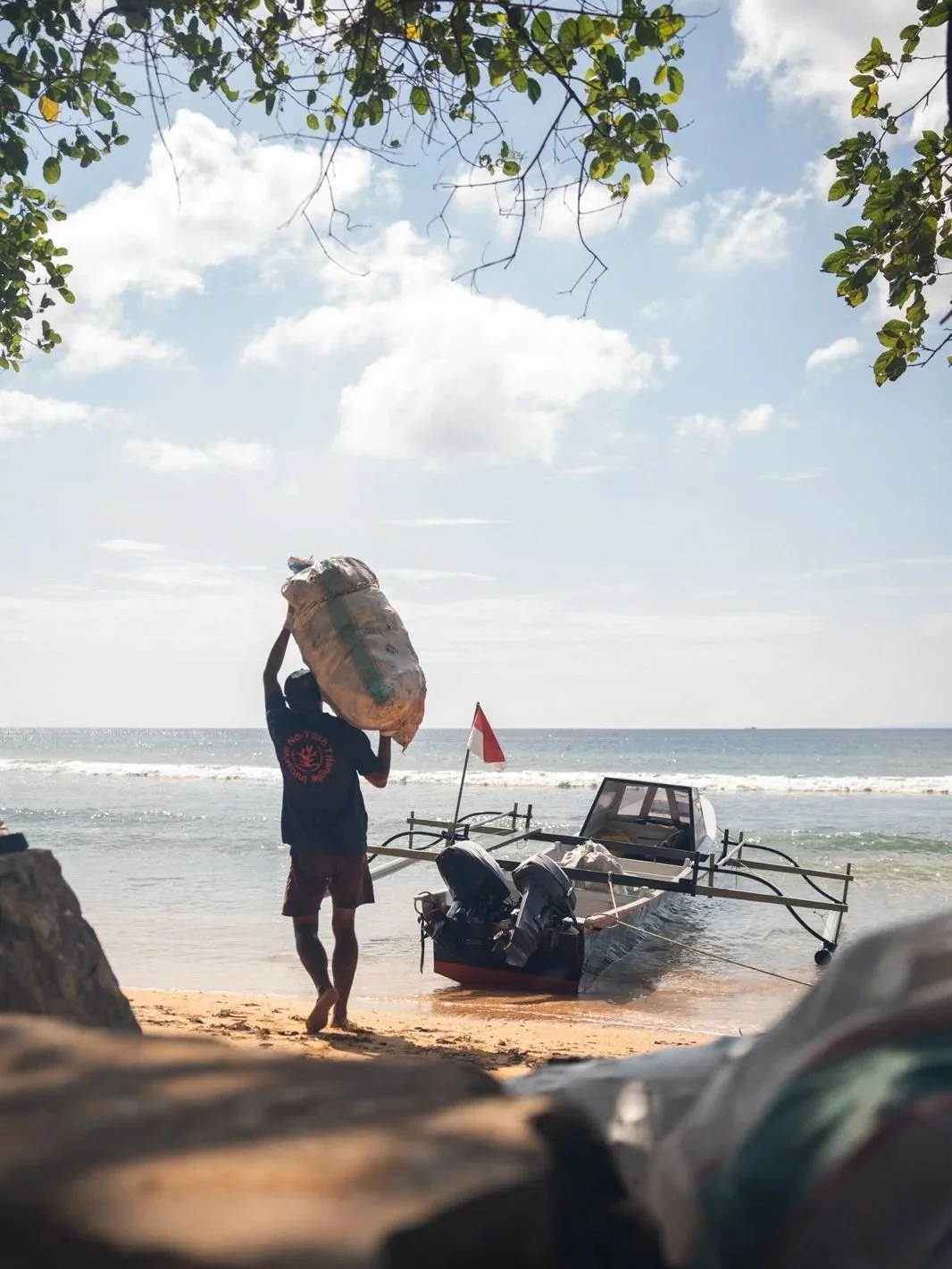
We intercept plastic waste that has already leaked into the environment and we implement regular waste collection services across islands enabling communities without access to public waste services to manage their waste responsibly.
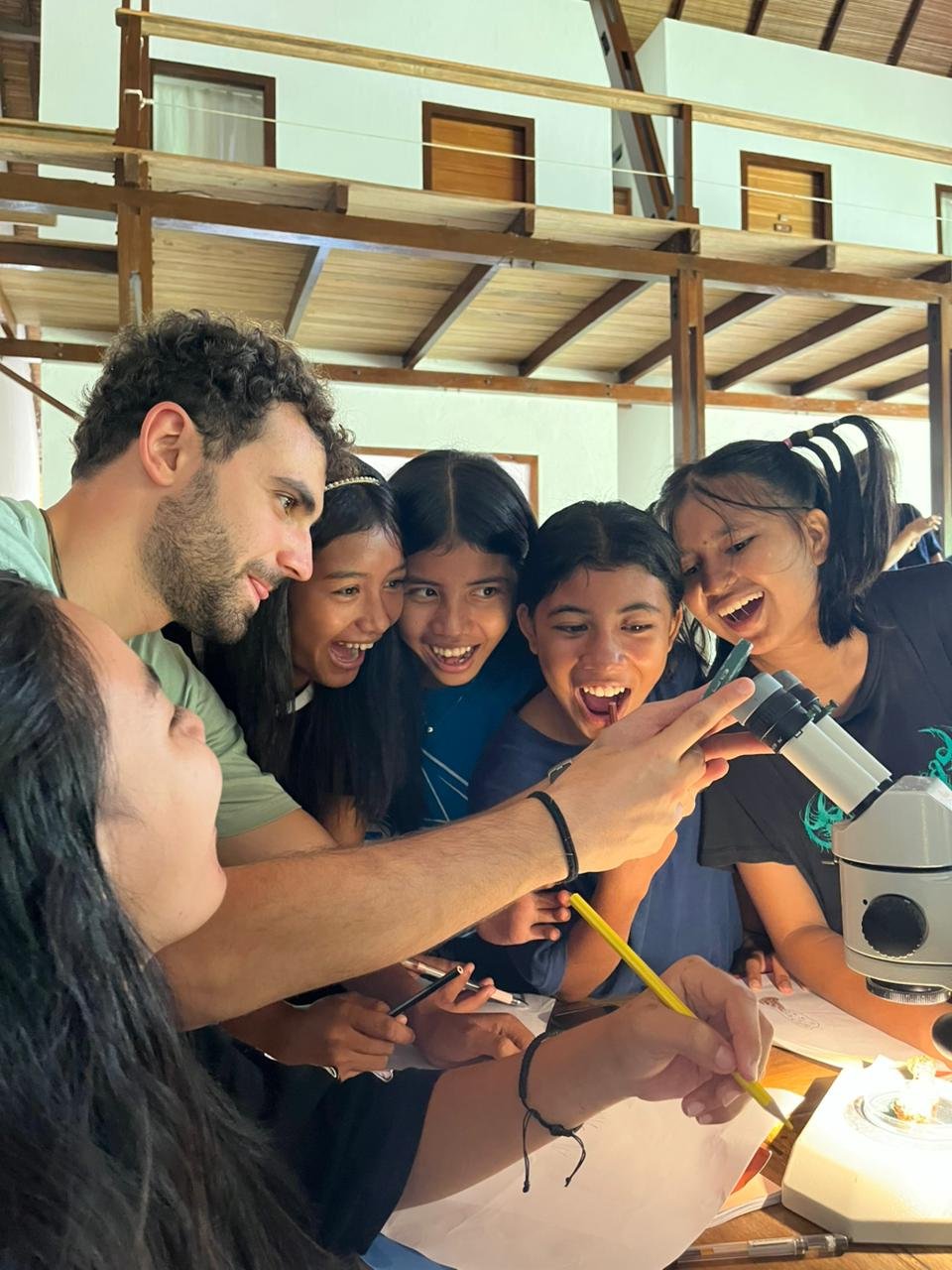
Education & Awareness
We build understanding of plastic pollution and the value of the Coral Triangle through schools, community programmes, tourist talks, and public events, turning knowledge into action.
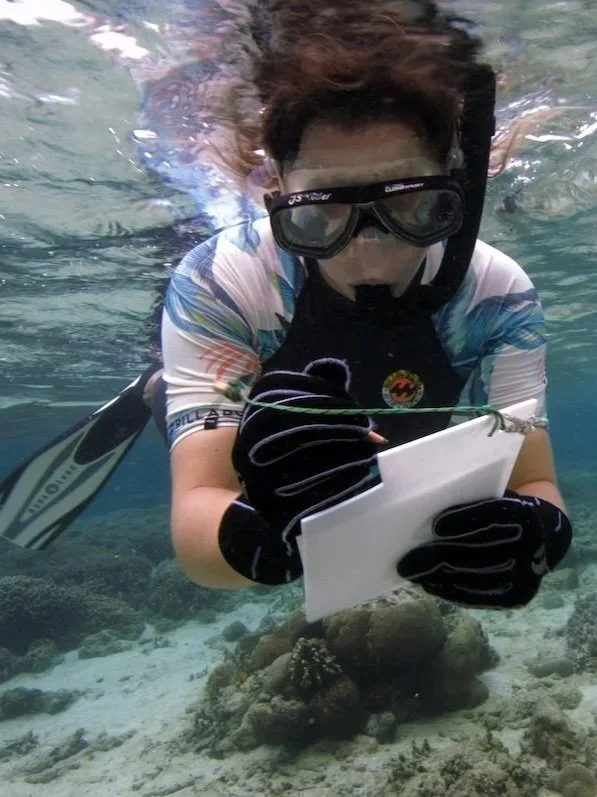
research
Through scholarships and university partnerships, we support research on the sources, pathways, and impacts of plastic pollution in the marine environment.
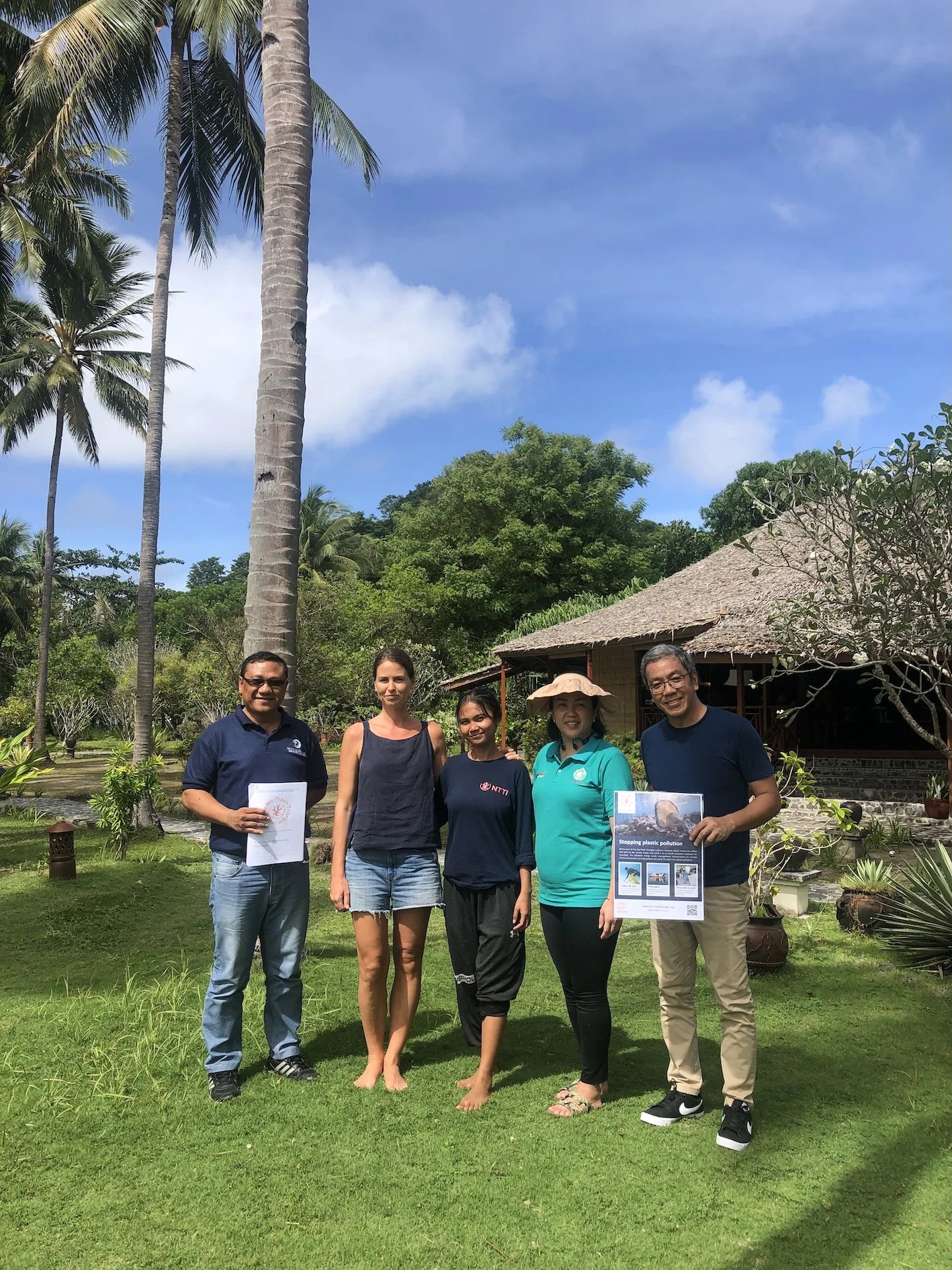
corporate responsibility
We work with businesses to improve waste practices and support meaningful CSR actions, helping organisations take shared responsibility for protecting the marine environment.
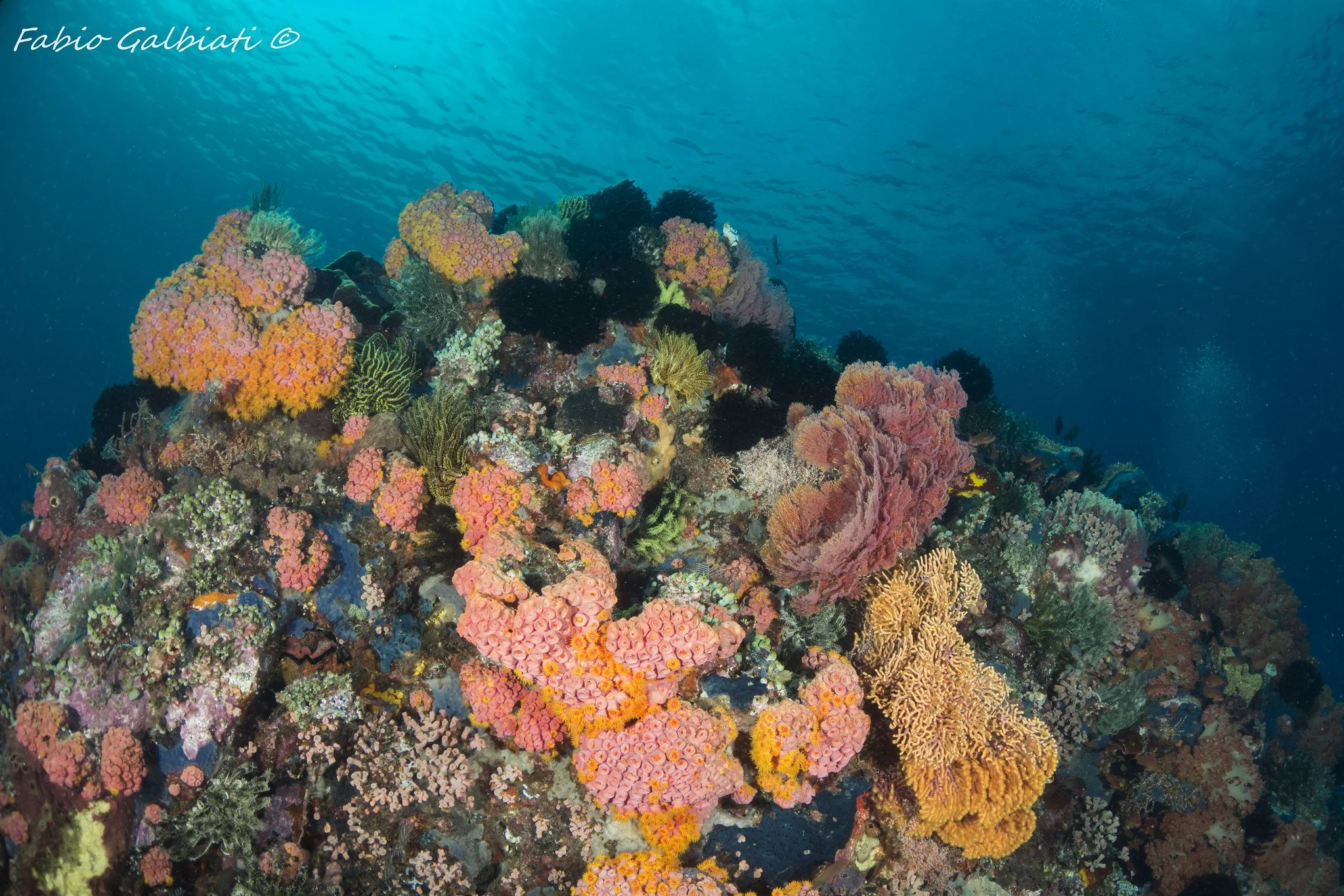
The Coral Triangle is the most biodiverse marine region on Earth.
It is home to nearly 80% of all known coral species and more than one third of the world’s reef fish species, making it a critical stronghold for ocean life and coastal communities across South-East Asia.
Yet this extraordinary ecosystem is under growing pressure from plastic pollution. Every year, increasing amounts of mismanaged waste enter rivers, coastlines, and nearshore waters, accumulating on beaches and reefs and breaking down into microplastics that persist in the marine environment.
Without effective, integrated solutions in place, plastic pollution continues to threaten marine biodiversity, food security, and local livelihoods.
Get involved
You too can contribute to our mission to protect this precious environment!
Scholarship
We support research into plastic pollution in the marine environment to help us identify new ways of tackling this ever increasing problem.
Donate
Donating to local initiatives such as ours is one off the most effective ways you can help fight against plastic pollution.
Fundraising through Betterplace
You can support the No-Trash Triangle Initiative directly through this fundraising campaign.
Our Impact
Since our inception, we have focused on developing practical waste management solutions for small islands and coastal communities in North Sulawesi, while increasing awareness among local stakeholders and younger generations.
Our work combines daily plastic collection — from beaches, rivers, and island communities — with education programmes that help build a stronger understanding of the ocean and the challenges it faces.
All the waste we recover is tracked through our sorting facility, ensuring that our data is transparent and traceable. Each year we publish an Annual Report summarizing the quantities collected, the activities carried out, and the progress of our initiatives.

Annual Report 2025
Our impact, year by year
Stay updated!
@notrashtriangle